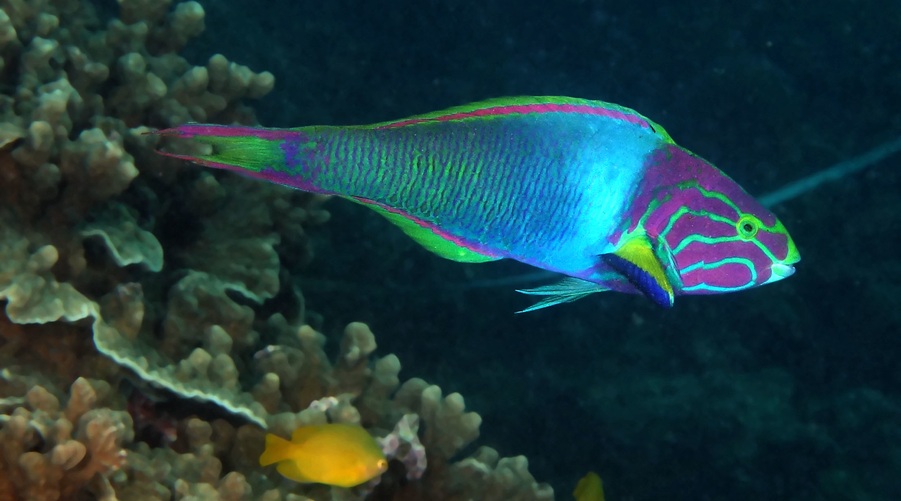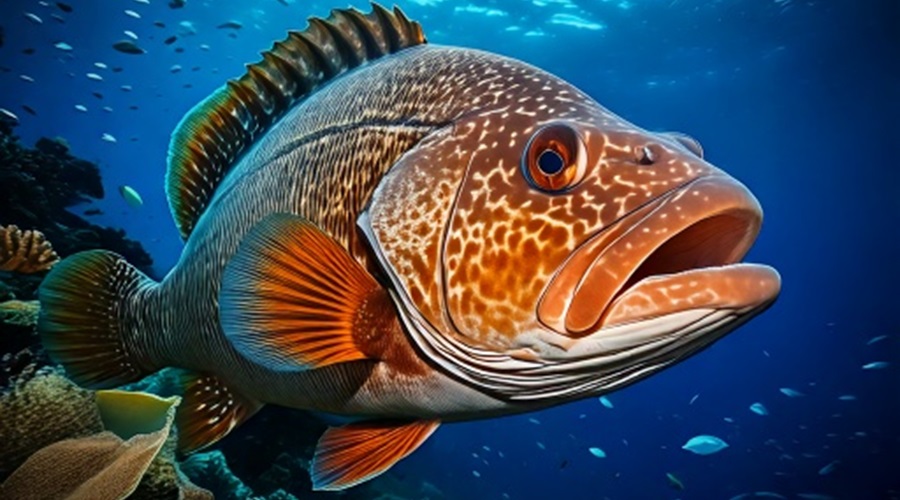
Sunset (yellow) moon wrasse. Photo by John Turnbull, Flickr.

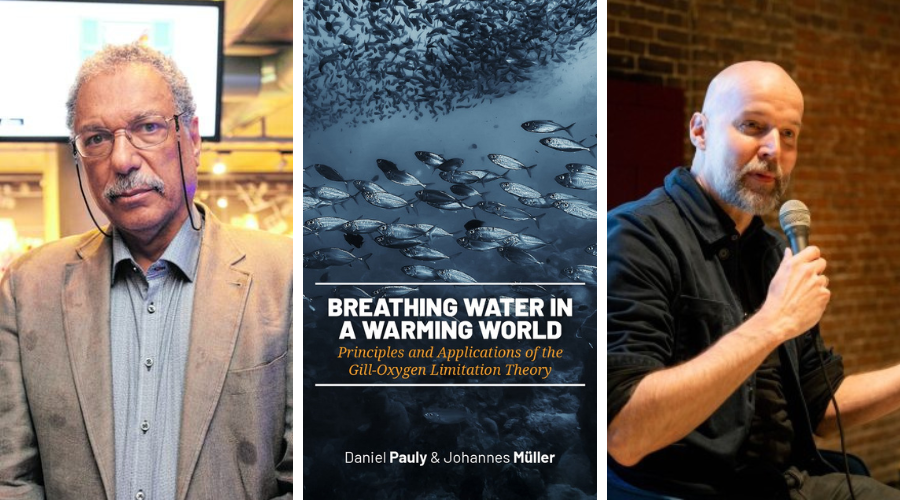
Fish can look “bigger on average” even while they are actually shrinking due to warming waters caused by climate change.

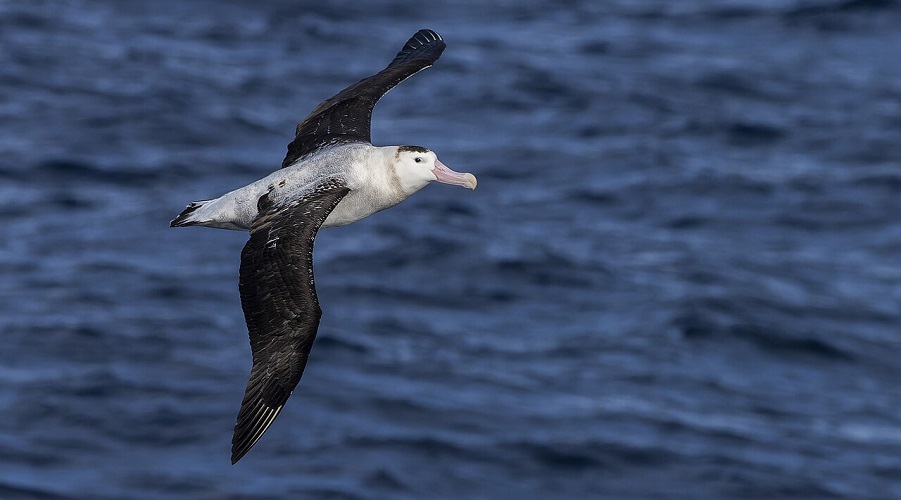
Endemic Antipodean albatross. Photo by Oscar Thomas, Wikimedia Commons.
World Oceans Day (WOD), the initiative proposed in 1992 by Canada at the Earth Summit in Rio de Janeiro and officially recognized by the UN in 2008, aims to catalyze collective action for a healthy ocean and a stable climate.

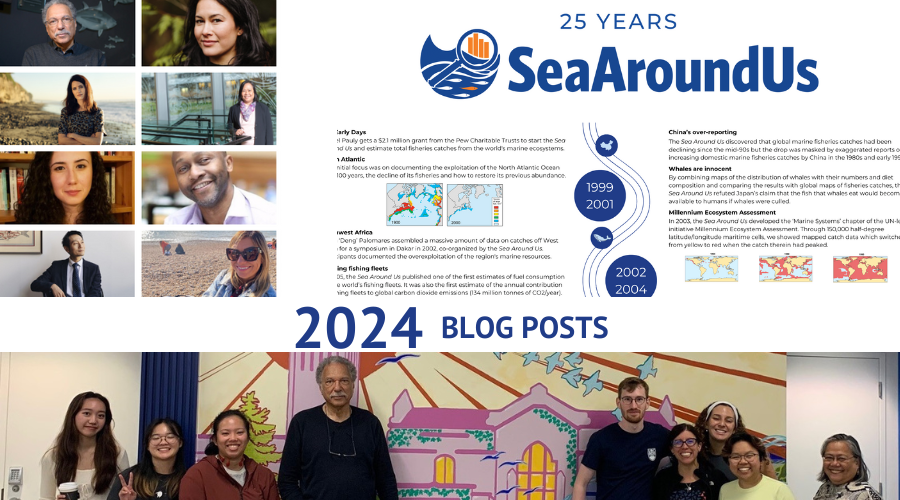
From left and top: Maria ‘Deng’ Palomares, Heliana Teixeira, Phoebe Koundouri, Rachel Ann Hauser-Davis, and Sílvia C. Gonçalves.
The Sea Around Us manager, Dr. Maria ‘Deng’ Palomares, is one of the editors of a new research topic in the journal Frontiers in Marine Science titled “Women in Marine Science: 2026.”

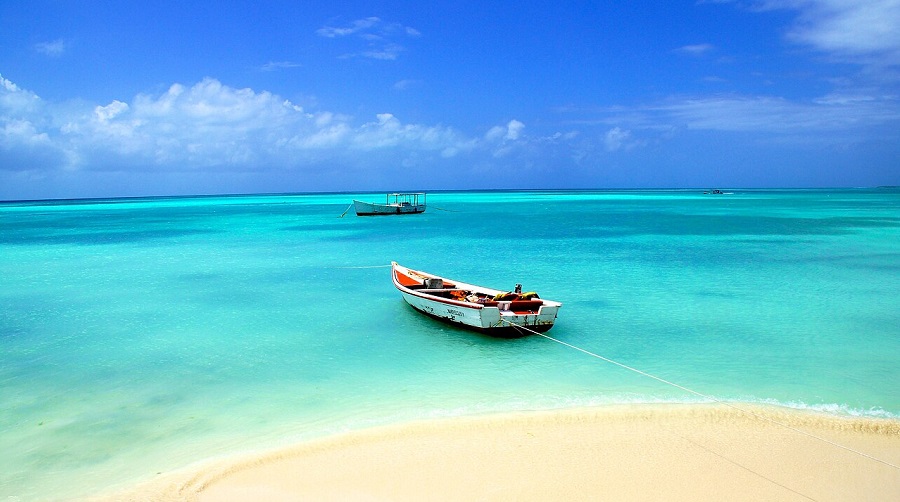
Los Roques National Park in Venezuela. Photo by Tucanrecords, Wikimedia Commons.
World Oceans Day (WOD), the initiative proposed in 1992 by Canada at the Earth Summit in Rio de Janeiro and officially recognized by the UN in 2008, aims to catalyze collective action for a healthy ocean and a stable climate.
Some of the yearly campaigns thousands of organizations run, inspired by this goal, are guided by the annual action theme that NGO The Ocean Project proposes for WOD. The Ocean Project, together with the World Ocean Network, led efforts to get the UN to recognize June 8th as World Oceans Day.
Aquatic animals that breathe through gills — including most fish and many invertebrates — are the backbone of life in oceans, lakes and rivers. They support biodiversity, shape food webs and sustain fisheries that feed millions of people worldwide. Understanding how these animals grow, reproduce and survive is therefore essential to understanding how aquatic ecosystems work — and how they continue to support human societies.

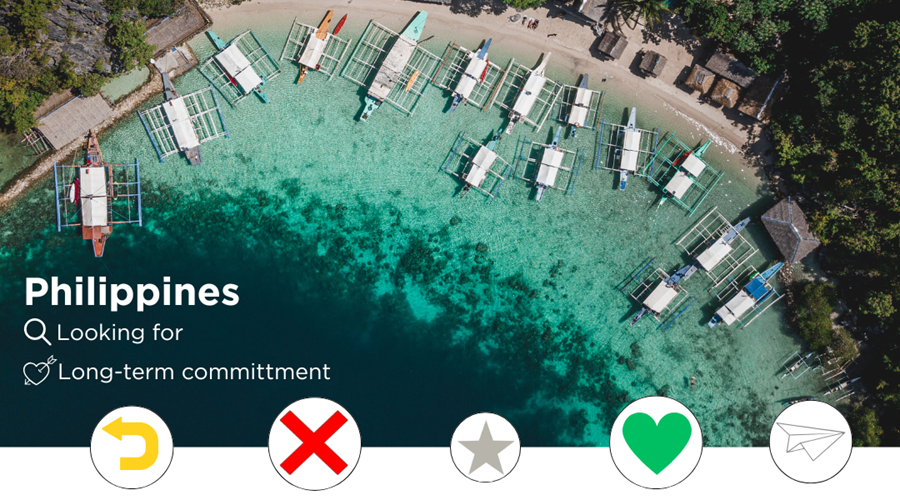
In thinking about February as Valentine’s Month, we invited our social media followers to “swipe right for healthy oceans.”
In a series of four posts showcasing country snapshots and designed to mimic a dating app interface, we presented how the Sea Around Us‘ fisheries data help us explore what ocean health looks like in different parts of the world. Each post highlights key strengths and challenges, grounded in catch reconstructions, stock assessments, and nutrition data.
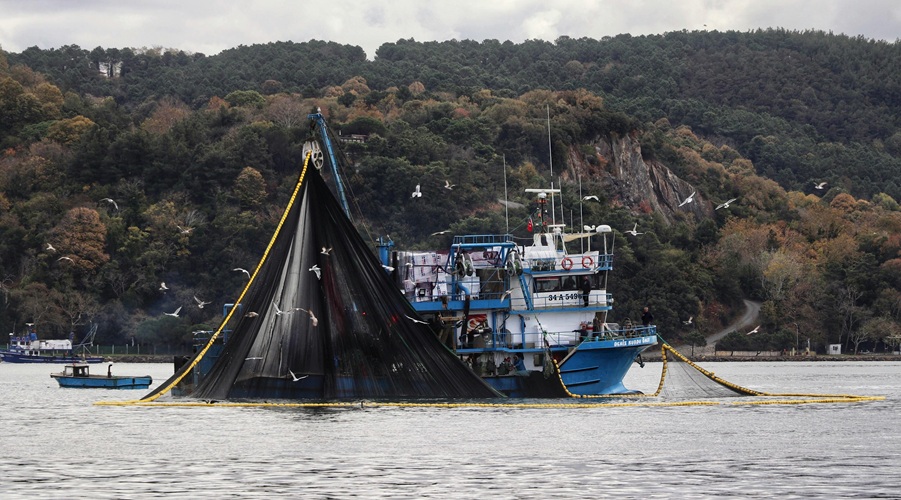
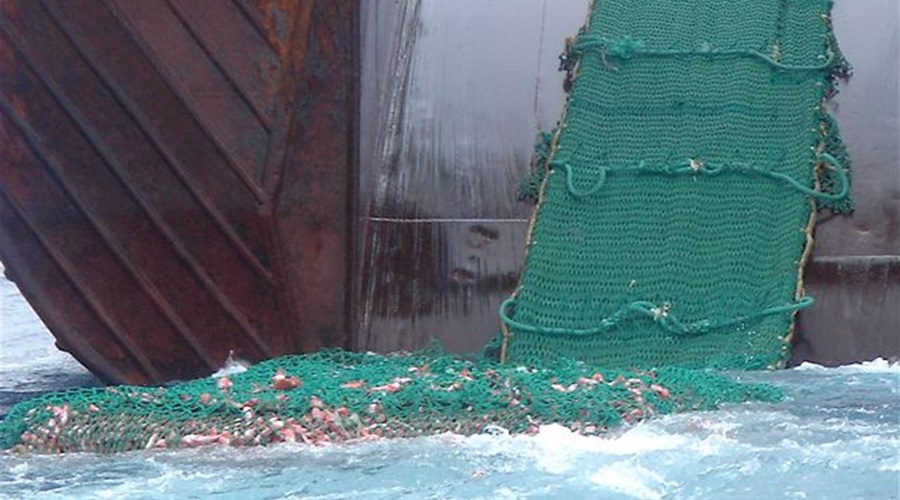
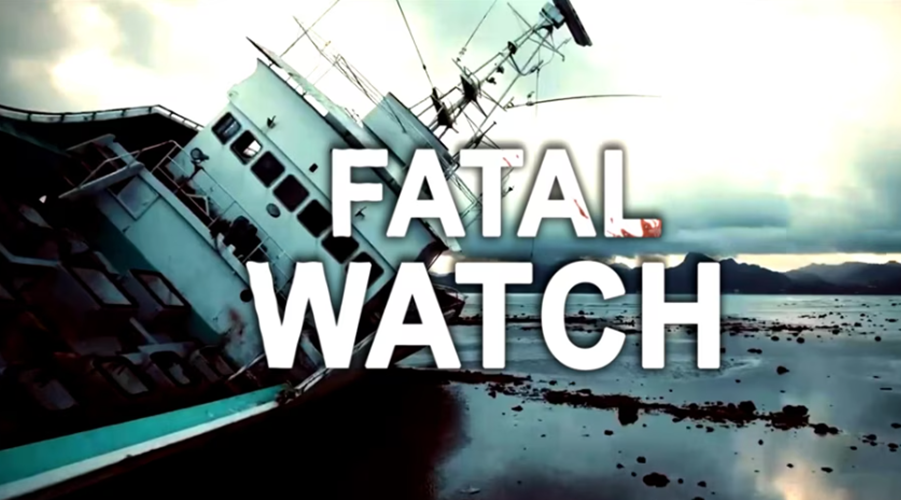
Labour and human rights abuses, overfishing, unreported, unregulated and illegal fishing, all spurred by subsidies provided to distant-water fishing fleets, are some of the most pervasive practices linked to the global seafood industry.
Witnessing and reporting on all of this are fisheries observers. Often scientists – marine biologists or ecologists –, fisheries observers are tasked by national frameworks, regional bodies, or international fisheries organizations with gathering information that supports sustainable fisheries management. Some are hired by the fishing companies they monitor.

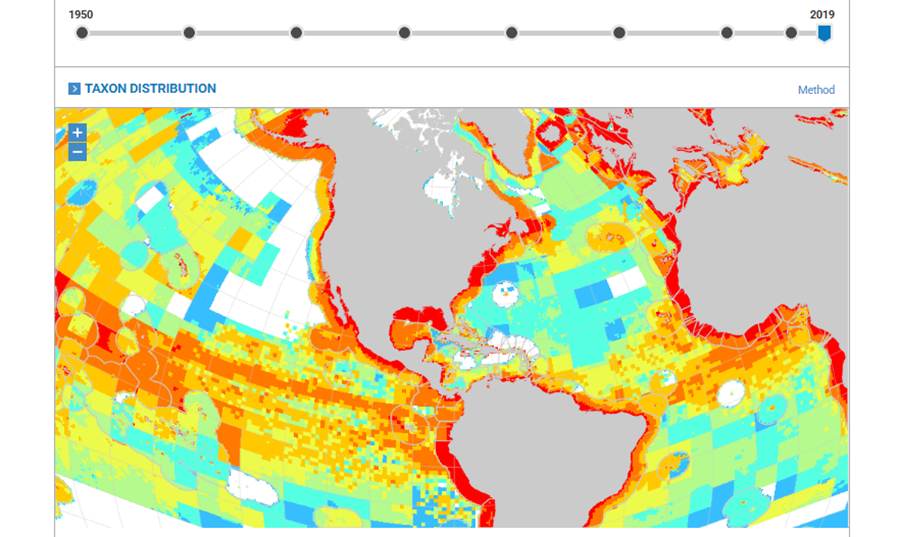
The video below shows the performance of one of the Sea Around Us most useful tools: the Mapped Data. By moving the lever from left to right, users can see how global fishing activity has expanded from 1950 to 2019.

Tubbataha Reefs Natural Park. Image by UNESCO, Wikimedia Commons.
World Oceans Day (WOD), the initiative proposed in 1992 by Canada at the Earth Summit in Rio de Janeiro and officially recognized by the UN in 2008, aims to catalyze collective action for a healthy ocean and a stable climate.
Some of the yearly campaigns thousands of organizations run, inspired by this goal, are guided by the annual action theme that NGO The Ocean Project proposes for WOD. The Ocean Project, together with the World Ocean Network, led efforts to get the UN to recognize June 8th as World Oceans Day.

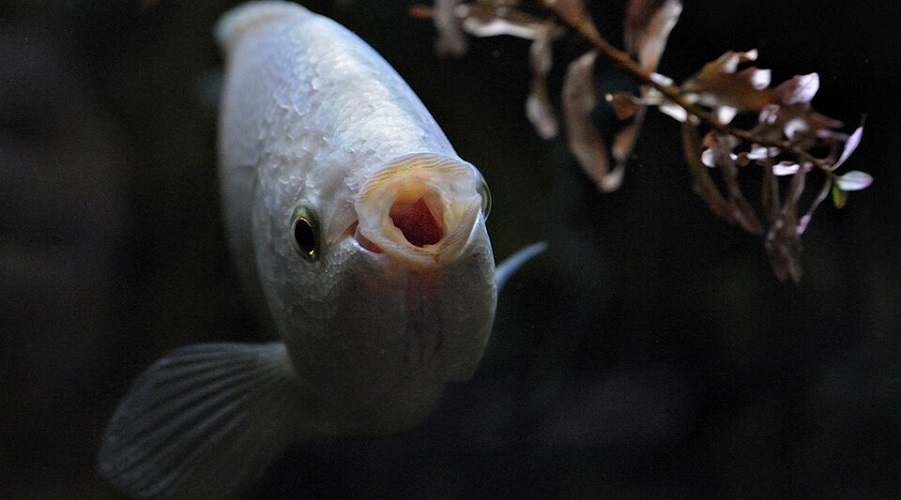
Helostoma temminckii or kissing gourami. Image by Jörn, Wikimedia Commons.

The Marion Dufresne off the “port” of Crozet. East Island in the background. Photo by Dimitri Damasceno, Wikimedia Commons.
World Oceans Day (WOD), the initiative proposed in 1992 by Canada at the Earth Summit in Rio de Janeiro and officially recognized by the UN in 2008, aims to catalyze collective action for a healthy ocean and a stable climate.